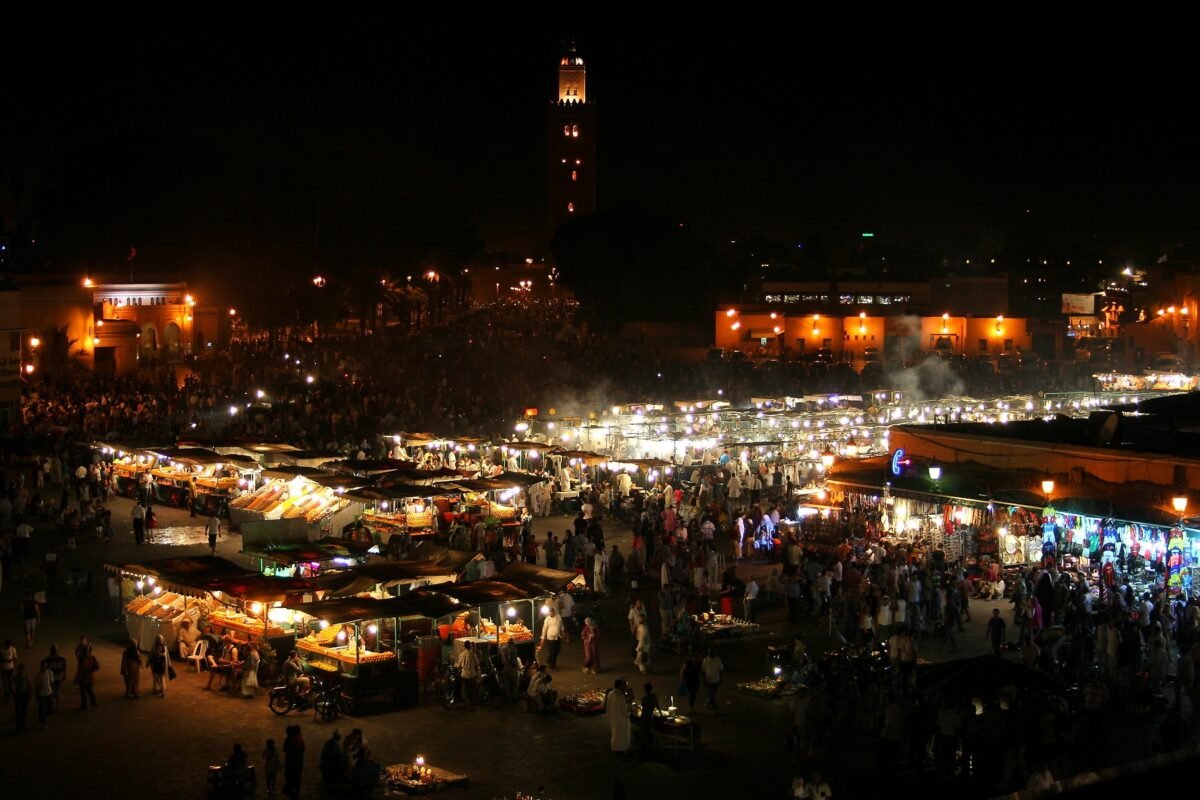
What actually happens at dusk
During the day, Jemaa el-Fna is a working square: carts of blood oranges, snake charmers, henna artists, and Gnaoua musicians circling the Koutoubia minaret. Then, somewhere between 6 and 7 p.m., the transformation starts. Carts roll in, gas lamps flicker on, and more than a hundred numbered food stalls assemble in rows — a full open-air food court built fresh every single evening and packed up again at night.
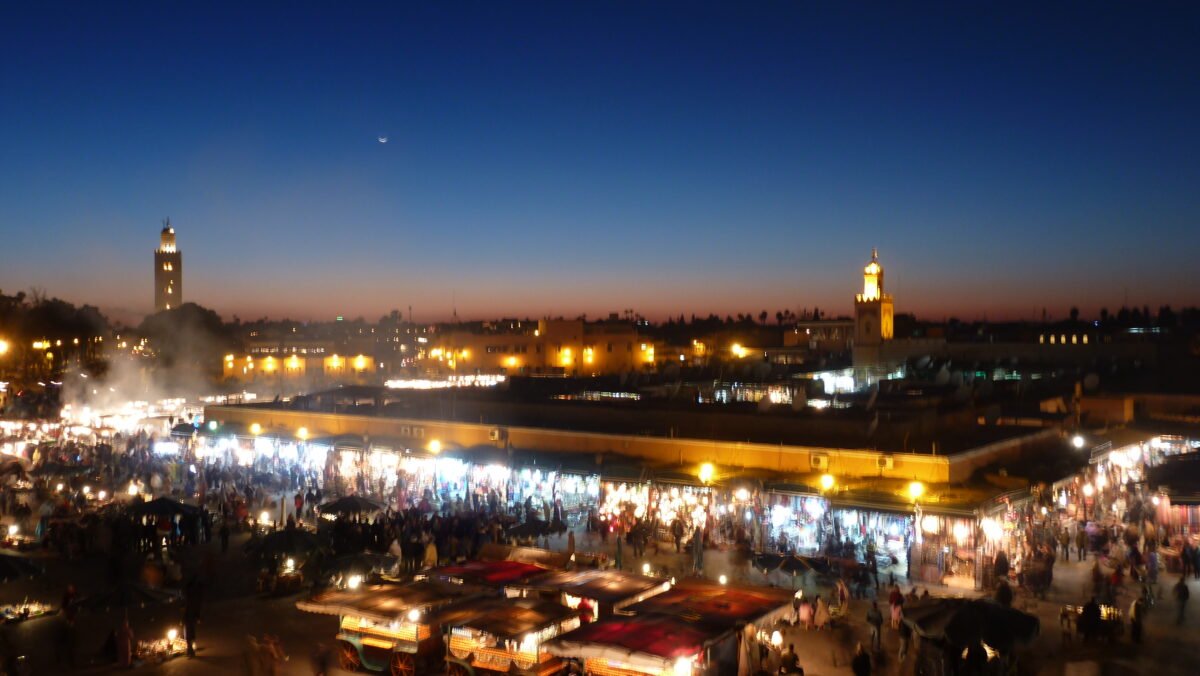
📸 This is the shot worth taking yourself: the square from a terrace, about twenty minutes before sunset, smoke starting to rise off the grills.
How the stalls work
Every stall has a big visible number on its awning, its own charcoal grill, and long communal benches where strangers end up sharing bread and conversation. A tout at each stall will try to pull you in — that is part of the ritual, not a warning sign. Menus are usually in Arabic, French, and English.
A full meal costs roughly 40–100 dirhams (a few dollars) depending on what you order — prices have stayed in that range for years, but always check the menu before sitting down. Some stalls work on suggested prices rather than a fixed list, and agreeing upfront avoids surprises. Tip: the fresh orange juice carts that ring the square by day charge around 10–20 dirhams a glass.
What to order (and what to skip)
Stall numbers are a loose guide rather than a ranking, but travelers keep returning to the same ones for a reason:
- Stall 1 is known for its brochettes and tagines — a reliable first stop for grilled lamb skewers.
- Stall 14 does fried fish and calamari; the fried sardines in chermoula are the thing to try.
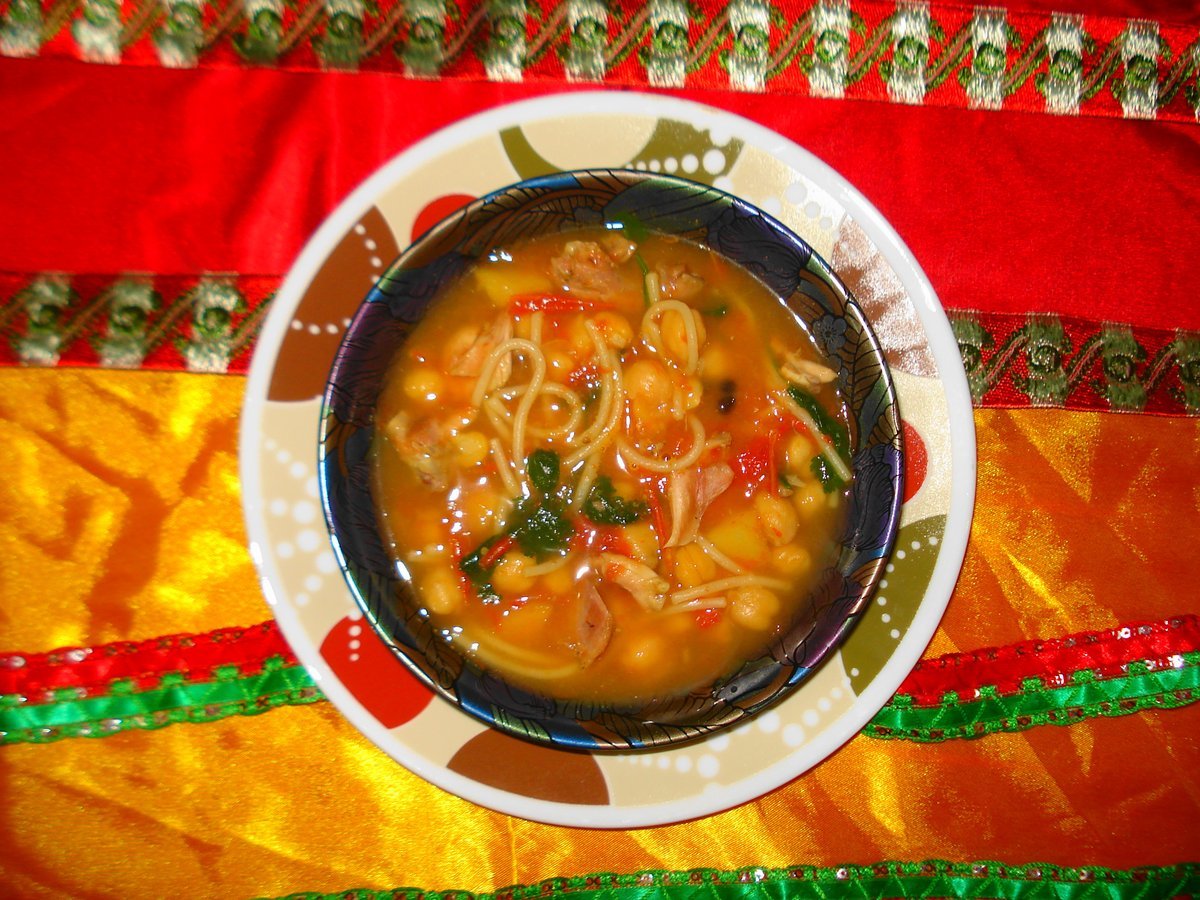
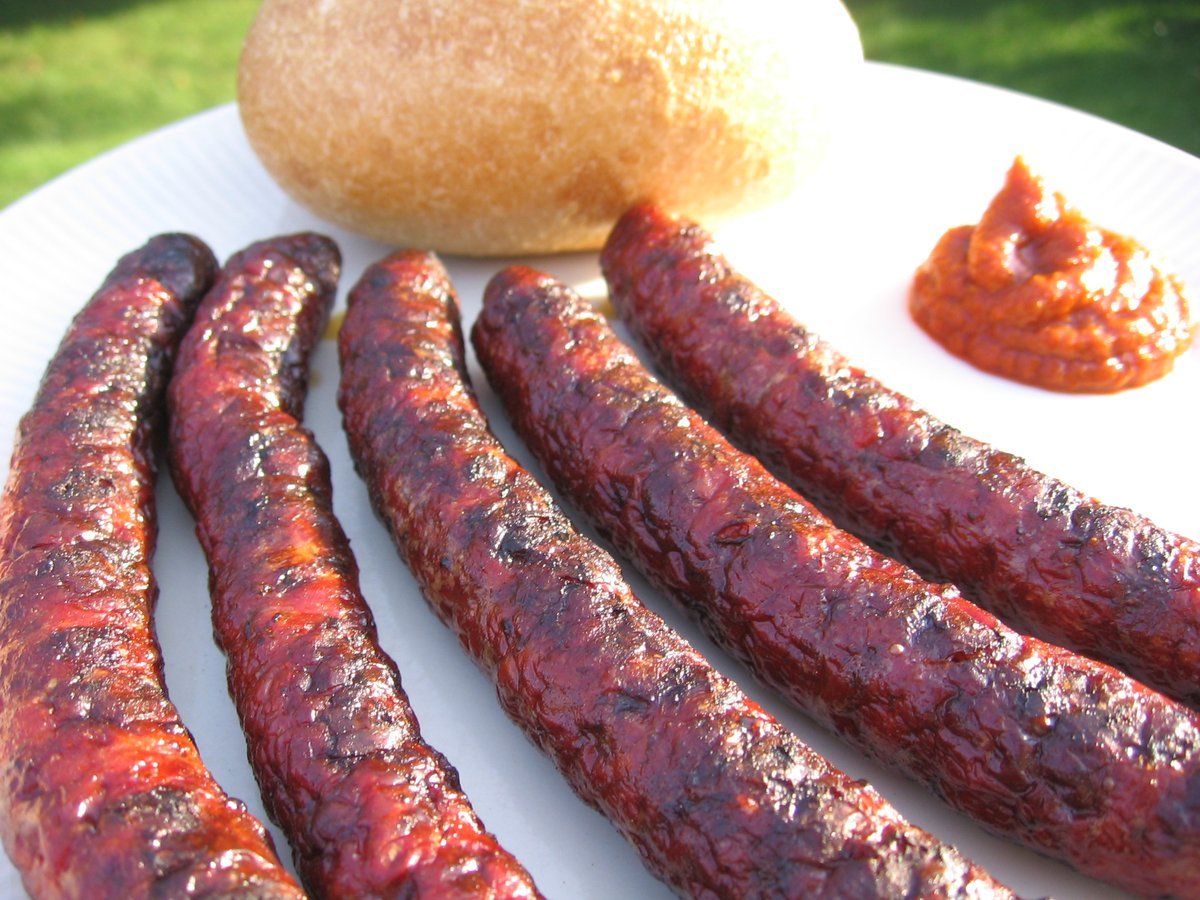
- Stall 31/32 is famous for harira (tomato, lentil, and chickpea soup with vermicelli) and grilled merguez sausage with bread.
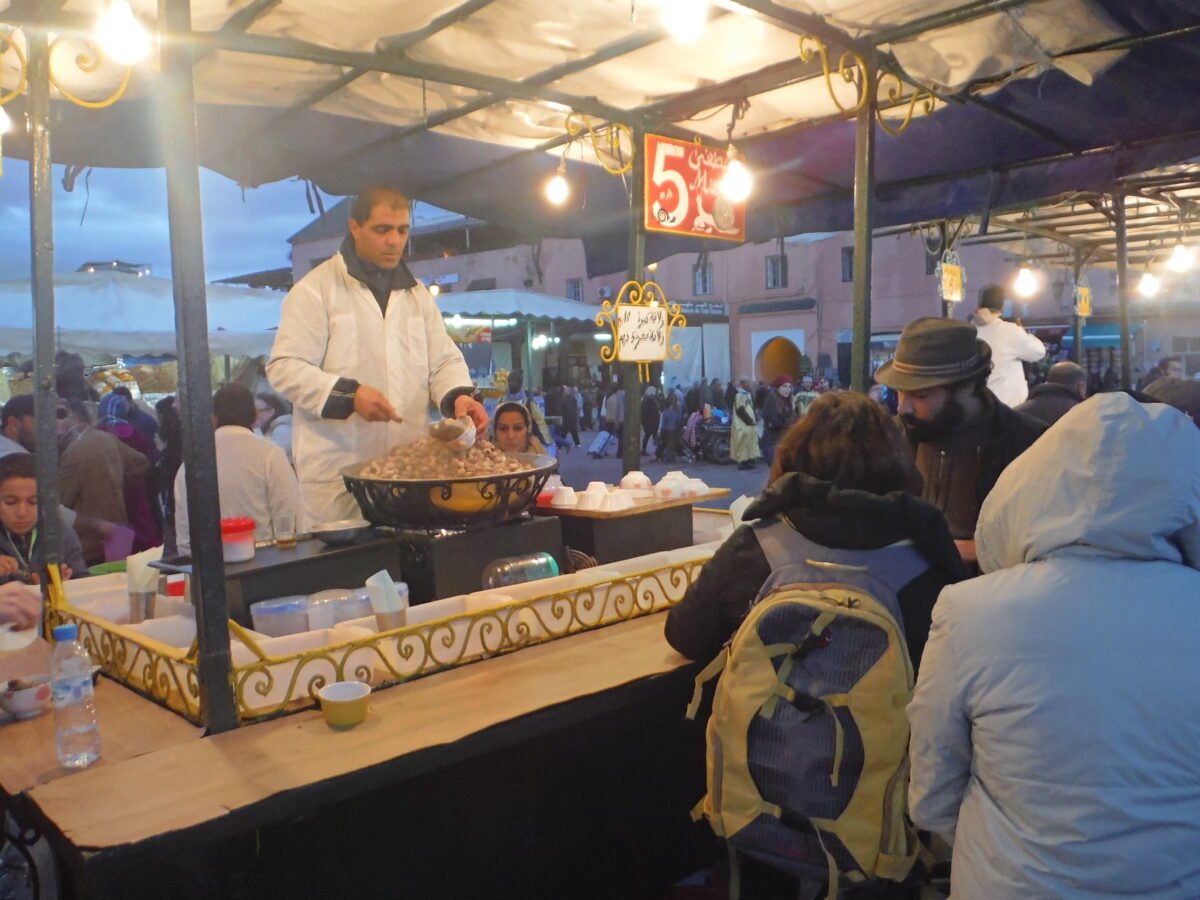
Babbouche: the snail soup Marrakchis actually eat
The most local dish on the square is a bowl of snails simmered in a fragrant broth of aniseed, licorice root, and thyme. It costs a few dirhams, it is served steaming from a pot the size of a bathtub, and it is the one thing most visitors walk past and later wish they had tried.
Tanjia, and a word of honesty
Tanjia is Marrakech’s dish the way tagine is Morocco’s dish: beef or lamb, preserved lemon, garlic, smen (aged butter), cumin, and saffron sealed in a tall clay urn and slow-cooked for hours in the ashes of a furnace that heats the neighborhood hammam. The real thing cannot be made to order — it is prepared hours ahead, traditionally by men, and served for groups. The versions at some square stalls are simplified; if you want the genuine article, ask your riad or a serious restaurant in the morning.
End the night at stall 71
The southern stalls are the tea corner. Order khoudenjal, the local ginger tea made with cinnamon, cardamom, and mace, with a dense sticky spice cake. And the famous mint tea — locals joke it is called “Berber whiskey” because of how much of it they drink.
The rule that actually works for choosing a stall
Forget the touts’ promises. Sit where the locals are sitting: a stall with a long line of Moroccans and fast turnover means the food is fresh and the grill is hot. Watch that food is cooked in front of you rather than sitting out on display. Stall 1’s touts, stall 32’s harira — the pattern holds: locals’ feet are the review system here.
One honest note: the stalls have no running water. Plates are washed in barrels. That is simply how the square works. If you have a nervous stomach, eat food that is grilled or fried fresh in front of you, skip anything raw or long-sitting, and treat Jemaa el-Fna as an evening of snacking rather than your one big dinner. A common mistake is making this your only restaurant night in Marrakech — the spectacle is unmatched, but the square is not where the city’s best cooking happens.
Before dinner: the rooftop
Before you eat, go up. The terraces of Café Glacier and Café de France overlook the square — order a pot of mint tea and watch the metamorphosis from above as hundreds of stalls roll in and thousands of lamps light up. It costs the price of a tea and it is the best ten dirhams you will spend in Marrakech.
Practical stuff
- Entry: none — it is a public square, open around the clock. Arrive before sunset for the best seats and the rooftop view.
- Performers: tips of 10–20 dirhams are expected for photos with snake charmers, musicians, and water carriers (the guerrab with brass cups and a leather water bag).
- Henna: always agree the price and design first, and insist on natural brown henna — “black henna” can cause skin reactions.
- Bonus tip: Mechoui Alley, just off the square, is where slow-roast lamb comes out of underground ovens in the morning, sold by weight with cumin, salt, and bread. Finished by early afternoon — a Marrakech meal people remember.
What to Eat on the Square
The square’s food tells you a lot about how Marrakech eats after dark. The grilled meats get the most attention, but the night usually starts with a bowl of something hot.
Harira is the classic opener: a tomato-based soup with chickpeas, lentils, and warming spices, often served with dates or a piece of msemen on the side. It is the soup Moroccans eat to break the fast during Ramadan, and on the square it works just as well as a light first course before the grilled skewers arrive.
Babbouche is for the adventurous: snails simmered in a fragrant broth of herbs and spices, sold from steaming pots on the square. You fish the snails out with a toothpick and drink the peppery broth straight from the bowl. Snails are a long-standing Marrakchi street-food specialty.
Then come the grills. Brochettes — skewers of marinated beef, chicken, or lamb — cook over charcoal in long rows, and the merguez, a spicy lamb or beef sausage with a harissa-like heat, is one of the most popular orders. A mixed grill with bread and cumin salt is the standard order.
For something gentler, ra’s l-ghanmi (sheep’s head) is slow-cooked until the meat falls off the bone; vendors chop it to order and season it simply. It sounds extreme, but the flavor is mild and rich, closer to a slow roast than anything gamey.
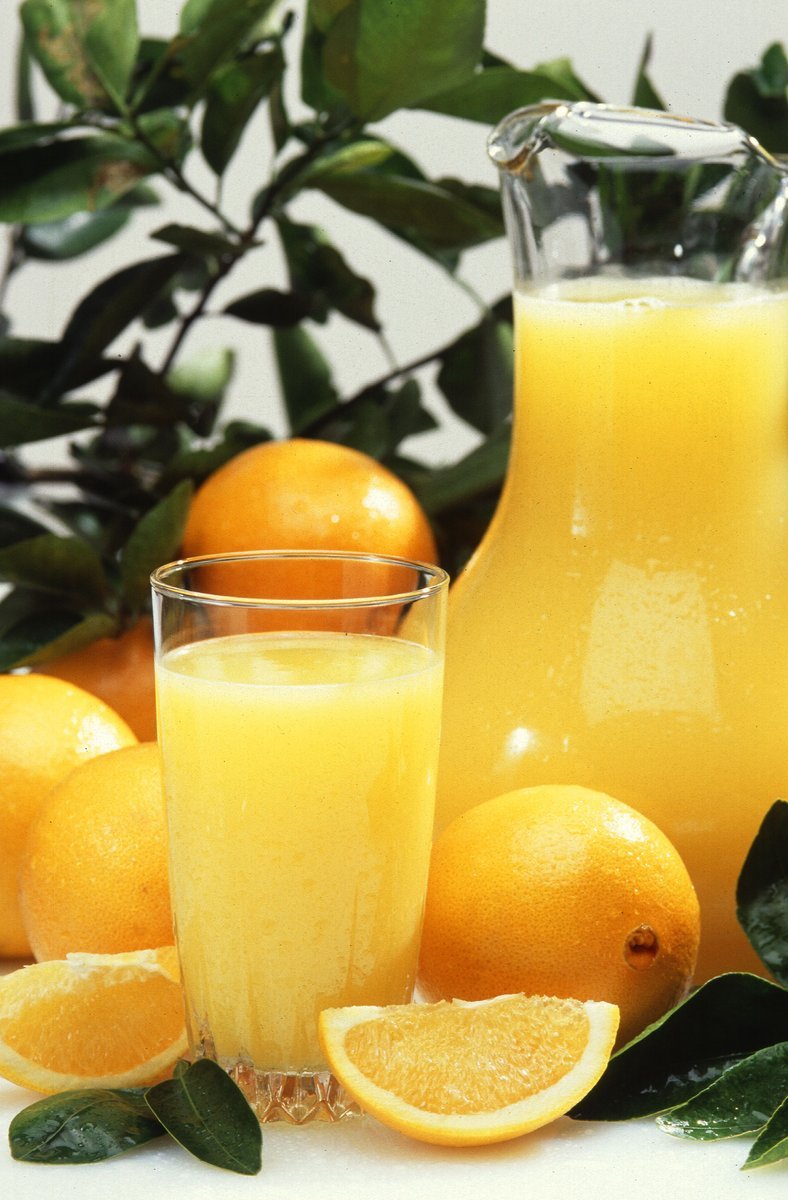
To drink, skip the soda: the fresh orange juice stalls press oranges to order. It is the square’s unofficial soft drink, and after an hour near the grills you will understand why.
FAQ
Is eating at Jemaa el-Fna expensive?
No. A full meal runs about 40–100 dirhams; juices and soups are cheaper. Confirm prices before sitting down.
Is the square safe at night?
It is one of the busiest public squares in Africa — well-lit and crowded. Stay aware of your belongings and avoid dark, deserted alleys around the medina edges.
Do the stalls accept cards?
Bring cash in small notes. Dirhams only, and small bills make life easier everywhere in the medina.
Is the food too touristy?
Some stalls are. The fix is the rule above: follow the locals, eat where turnover is high, and order what the stall is known for rather than the full tourist menu.
For more ideas on eating across the country, browse our City Food Guides, and learn more about why we built FoodMaroc on our About page.
Photos: Andrzej Kosiński (CC BY-SA 3.0), Elgaard (CC BY-SA 4.0), and YoTuT (CC BY 2.0) via Wikimedia Commons. Harira photo: Miansari66, CC0, via Wikimedia Commons. Merguez photo: Thogru, CC BY-SA 3.0, via Wikimedia Commons. Orange juice photo: USDA photo by Scott Bauer, public domain, via Wikimedia Commons.