Ain Asserdoun: Beni Mellal’s Famous Spring and Its Table
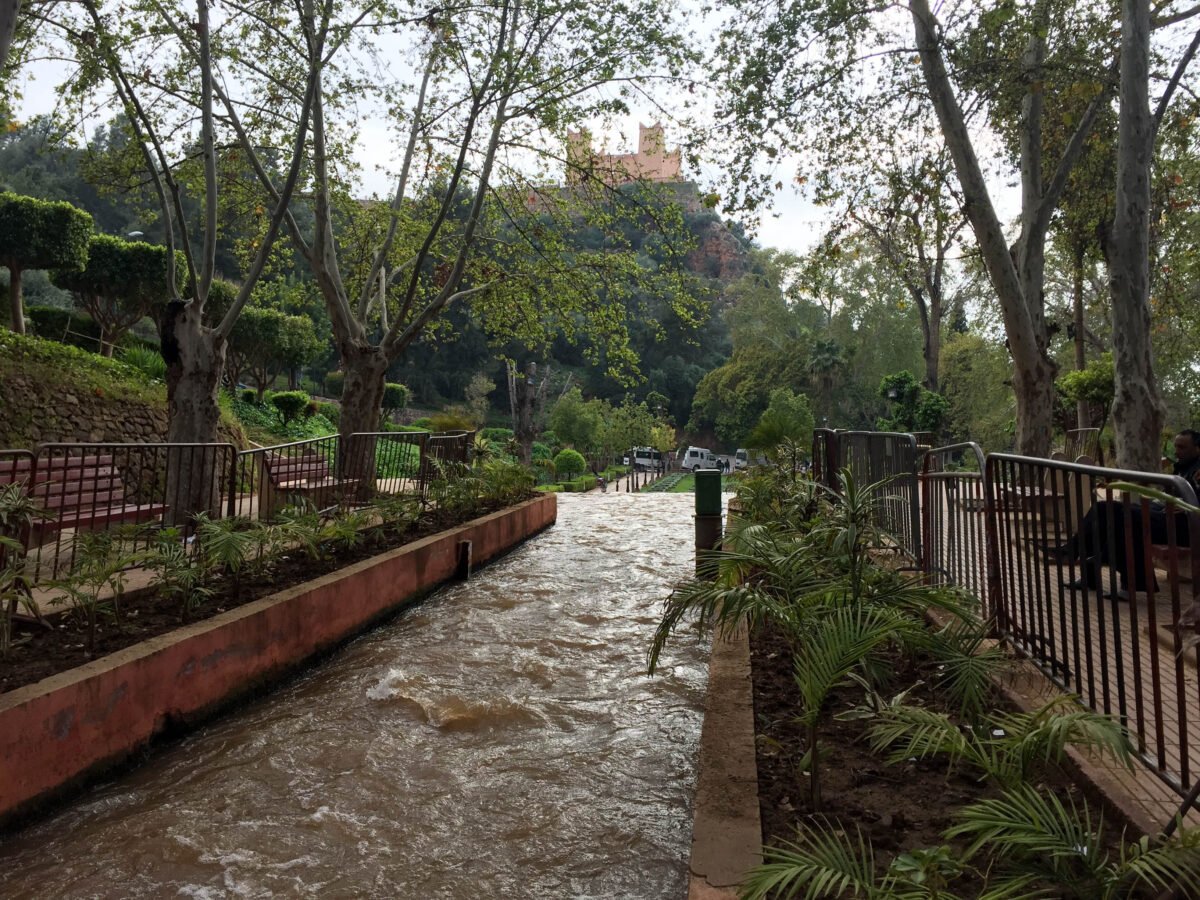
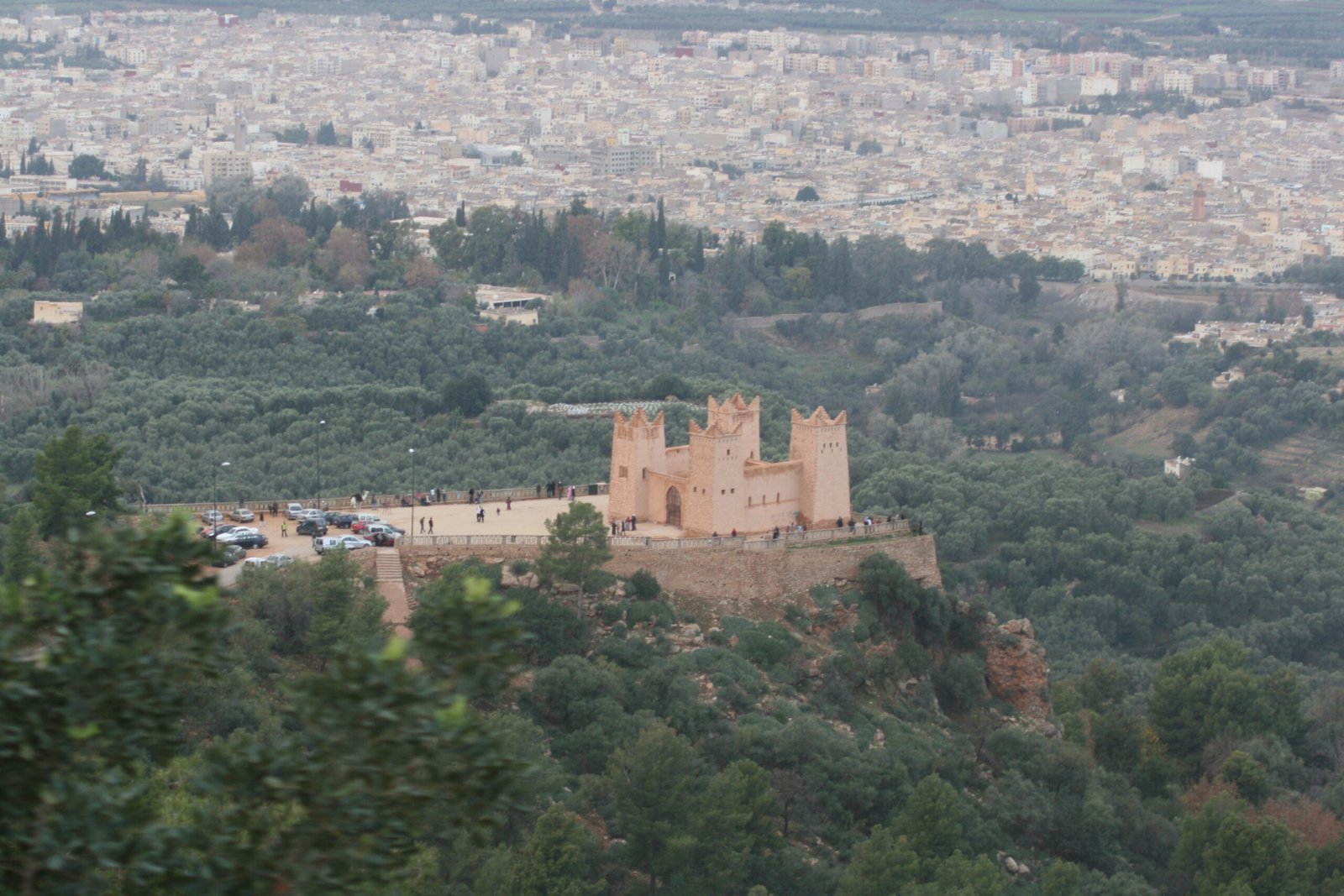
Beni Mellal sits where the flat Tadla plain meets the foothills of the Middle Atlas, and everything in the city bends toward one thing: water. Ain Asserdoun is the spring that rises at the foot of the mountain and tumbles down stone terraces into gardens and a public park. Above it, the old kasbah of Ras El Ain keeps watch. On warm days the park fills with families who arrive with coolers, mats and big plans for lunch. This is a guide to what people eat at the spring, what you should order, and how to do it like someone from Beni Mellal.
The lay of the land: where food happens at the spring
The park is built in levels. At the top, the spring itself bursts out of the rock and is channeled through a series of basins and cascades. Below it spread the terraced gardens, lawns, and shaded alleys of plane and willow trees where families claim spots from late morning onward. Three food zones matter to you:
- The café terraces near the spring. Open-sided cafés with low tables line the upper part of the park. Their business is simple: coffee, mint tea, and a front-row seat to the water.
- The row of grill spots along the park’s edge. Small restaurants and charcoal stalls cook over open fire through the day. Follow the smell of smoke and cumin — it leads to brochettes, kefta and, on busy days, whole lambs turning for mechoui.
- The picnic lawns. The real restaurant of Ain Asserdoun is the grass. Families bring tagines cooked at home, couscous on Fridays, bread bought that morning in the city, and fruit from the souk.
Along the paths you will also pass kiosks selling local products — honey, almonds, dried figs and prickly pears — the things the Tadla plain grows in abundance. 📸 A photo of the cascades with a café terrace in the foreground would show readers exactly where the food zone starts.
What to eat at Ain Asserdoun
1. Tagines by the water
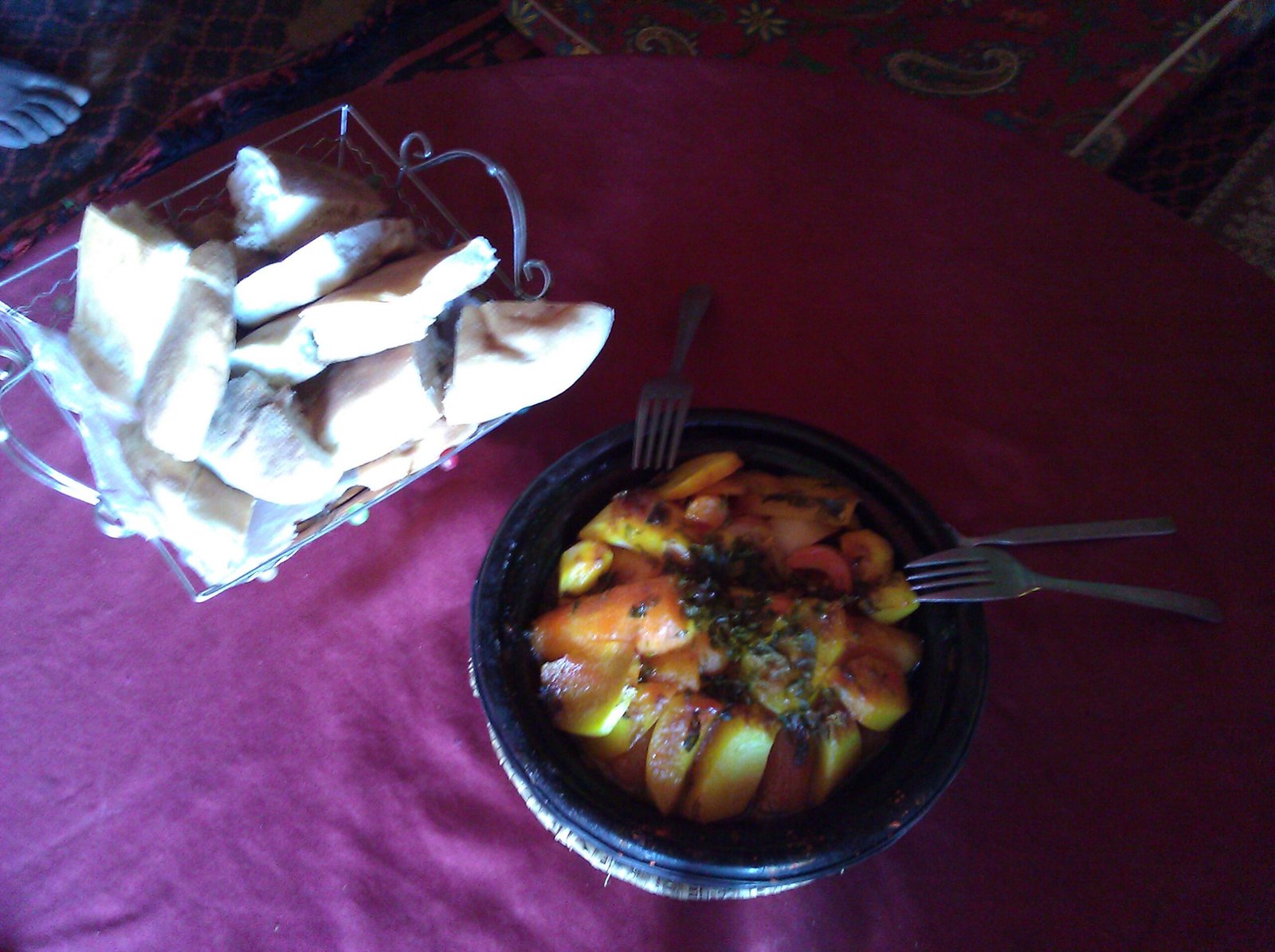
The tagine is the default lunch order around the spring, and the restaurants here cook the way the region cooks: lamb or chicken, slow fire, vegetables from the plain below. Tagine of lamb with seasonal vegetables — carrots, potatoes, zucchini, tomato, onion — is the safest and often the best choice. Chicken tagine with preserved lemon and olives is the other classic: the lemon cuts through the richness and the olives are local Tadla olives.
There is also a home-style variant that cooks from Beni Mellal are known for: tagine with sweet potato, caramelized until the edges go sticky and dark. You are more likely to taste it at a family picnic than on a restaurant menu, but if a waiter mentions it, order it.
One practical rule: order your tagine at least 45 minutes before you want to eat. These are not reheated portions — they go on the fire when you order. Sit down, order mint tea, and wait like everyone else does. For the full story on the dish, see our guide to tagine varieties across Morocco.
2. Grills, brochettes and mechoui
The Middle Atlas foothills are sheep country, and the charcoal stalls at Ain Asserdoun treat lamb the way it deserves. The standard order is a mixed grill: skewers of lamb cubes (brochettes) rubbed with cumin and salt, kefta — minced meat seasoned with onion, parsley and spices — and sometimes merguez. It arrives with bread, grilled tomato and onion, and a small dish of cumin for dipping.
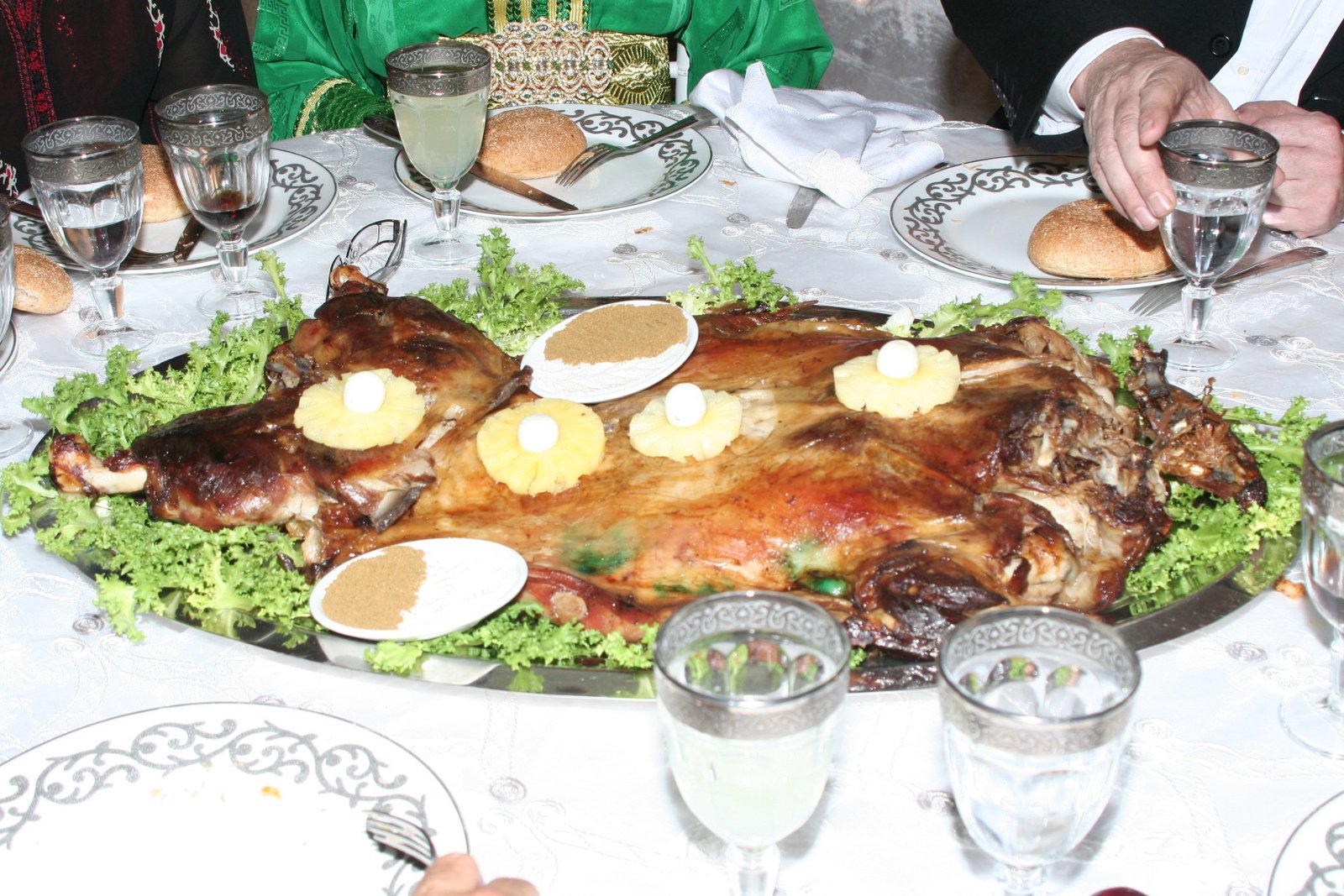
On big days — Fridays, summer weekends, wedding season — some stalls roast mechoui: whole lamb slow-roasted in a pit or clay oven until the meat falls off the bone. You do not order mechoui alone; it is sold by the portion or the quarter to groups. If you see a lamb turning and a crowd gathering, join the crowd. More on the country’s grill culture in our brochettes and kefta guide.
3. Friday couscous
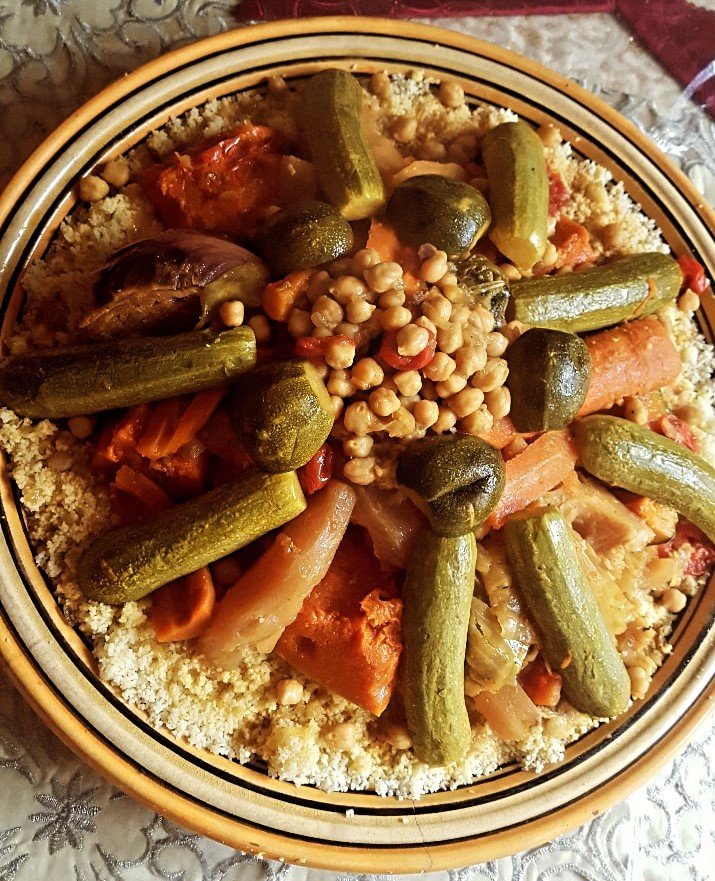
Friday is couscous day across Morocco, and at Ain Asserdoun it becomes a public event. Families arrive with steaming pots of couscous with seven vegetables — carrot, zucchini, pumpkin, cabbage, turnip, chickpeas and onion — or the sweet-salty couscous tfaya with caramelized onions and raisins. If you are visiting on a Friday, the lawns will smell better than your table.
4. Kiosk snacks: saykuk and karmouss
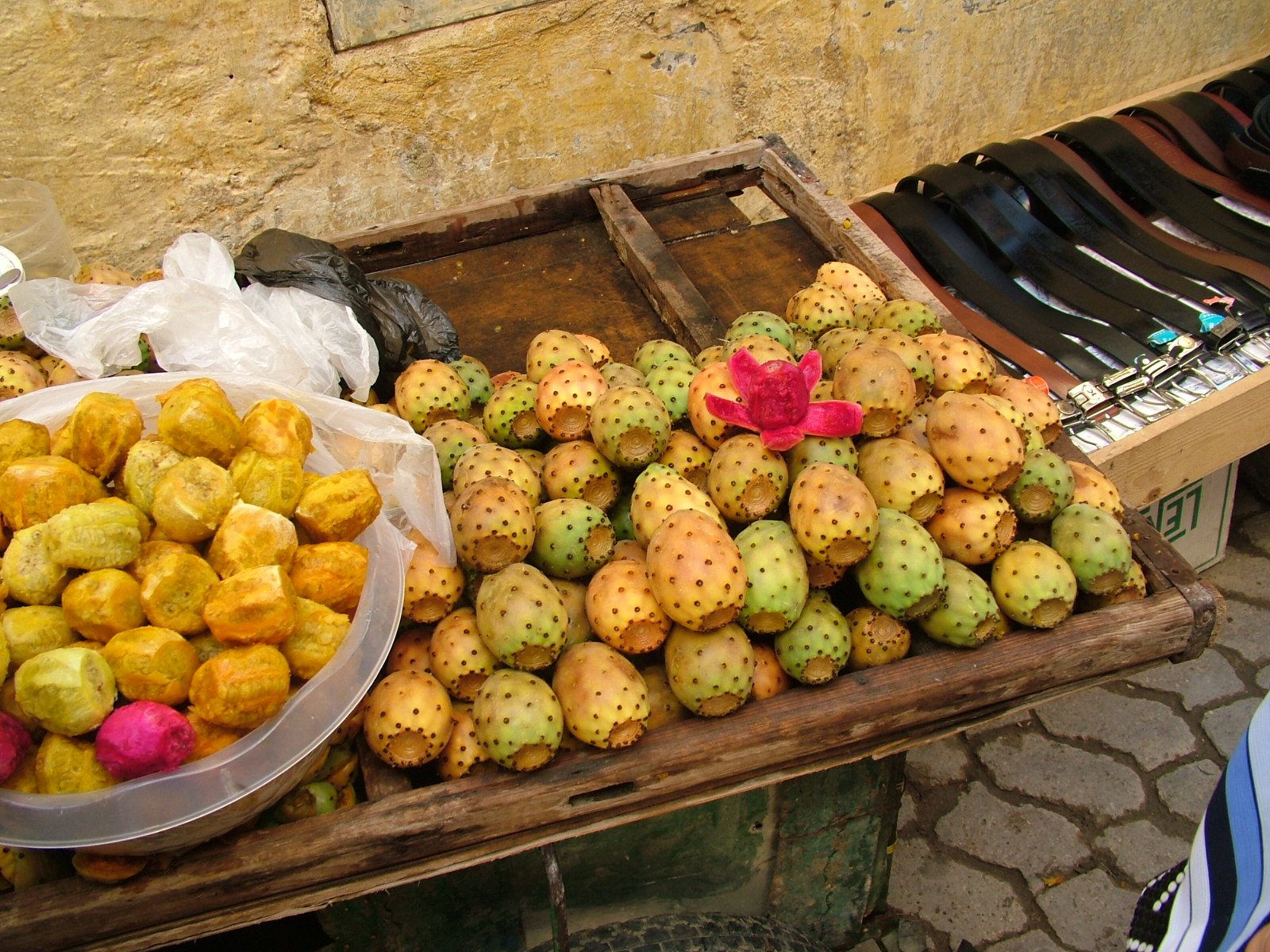
Between meals, the park’s kiosks sell two things worth knowing about. The first is saykuk: a thick bowl of barley porridge mixed with buttermilk (lben), served cold. It is peasant food in the best sense — filling, sour, refreshing in the heat — and vendors around the spring have sold it from metal bowls for generations. 📸 A personal photo of saykuk served in its metal bowl would be a rare catch — no free stock photo of this dish exists. The second is karmouss, the prickly pear cactus fruit, sold peeled and ready to eat from carts when in season. Sweet, seedy, and eaten with your fingers. Both cost a few dirhams and both taste like the Tadla countryside.
5. Mint tea, from morning to night
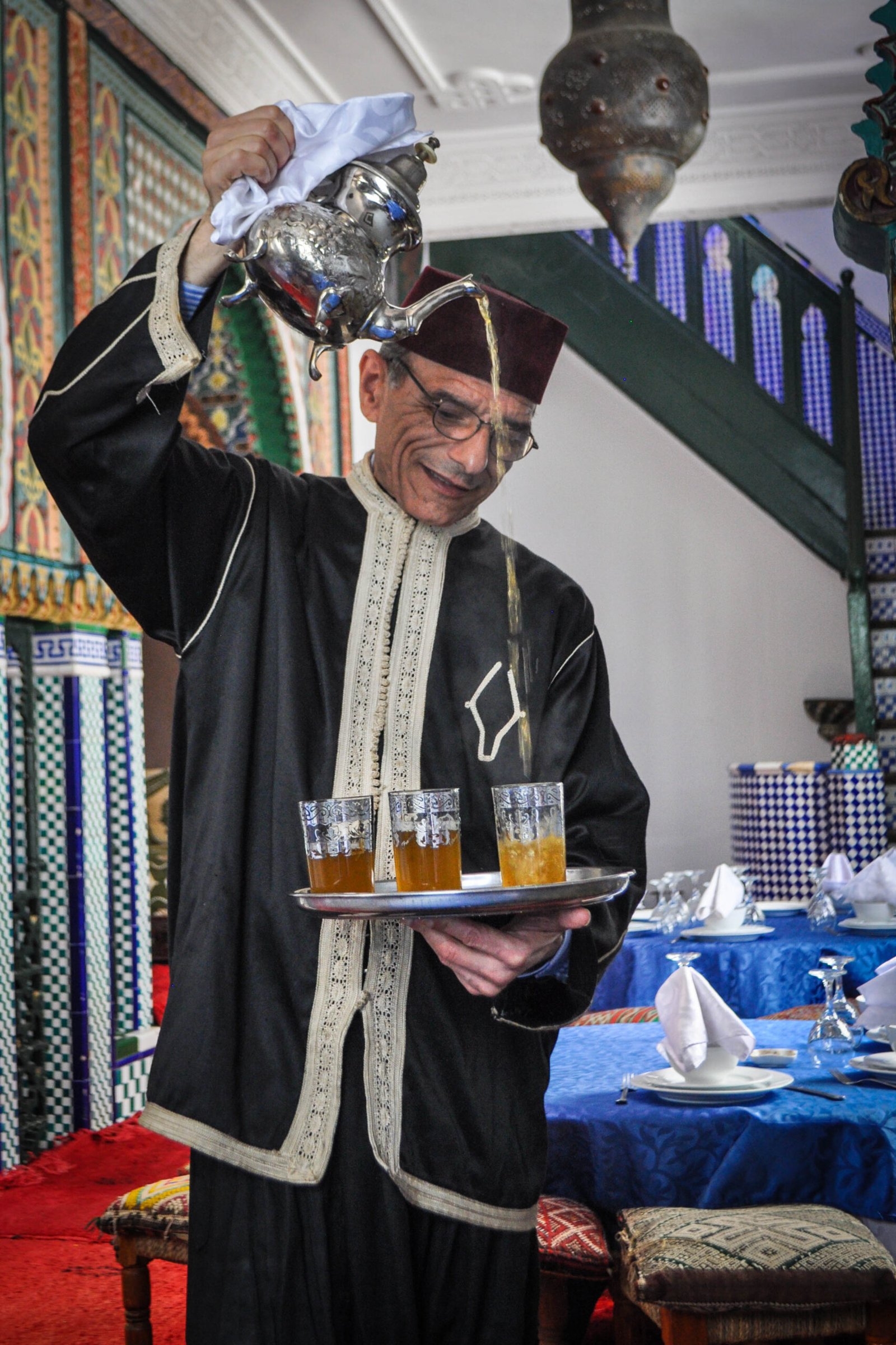
The cafés at Ain Asserdoun run on mint tea. It is poured from a height into small glasses, sweetened heavily, and refilled without asking twice. Order “atay” and a glass arrives with a plate of peanuts or chickpeas. The terrace ritual is simple: one tea to arrive, one to watch the water, one to decide you are staying for lunch. In the evening the same terraces switch to coffee drinkers and families finishing the day. For a sense of how central this ritual is nationwide, read our piece on Moroccan café culture.
The picnic playbook: how Beni Mellal families do it
If you want the full Ain Asserdoun experience, do not just eat at a restaurant — picnic. This is how most of the city uses the park:
- Shop in the city first. Buy round country bread (khobz) from a bakery, olives from the souk, seasonal fruit. Everything is fresher and cheaper in town than at the park kiosks.
- Bring a mat and shade. The lawns fill from late morning; the shaded spots under the trees go first.
- Cook or carry. Many families bring tagines cooked at home, still warm in the clay dish. If that is too much, buy grilled meat from the stalls and carry it to your spot — nobody minds.
- Leave nothing. The park is the city’s pride. Families pack their waste out, and the gardeners notice who doesn’t.
📸 A photo of a family picnic spread on the lawns — tagine dish, bread, tea glasses — would capture the real food culture of the spring better than any restaurant shot.
What to order as a first-time visitor
Three scenarios, depending on your day:
- The classic lunch (couple or small group): one lamb tagine with vegetables to share, one chicken tagine with lemon and olives if you are hungry, bread, and mint tea. Order the tagines the moment you sit down.
- The grill session (group of friends): mixed brochettes and kefta per person, grilled tomatoes and onions on the side, cumin for dipping, sodas or tea. Faster than tagine — the fire is already going.
- The light visit (passing through): a bowl of saykuk from a kiosk, peeled karmouss in season, and mint tea on a café terrace. You will have eaten like a local for the price of a bus ticket.
If menus confuse you, the universal method works: point at what the next table is eating and say you want the same. For more on navigating Moroccan menus without stress, see how to order like a local in a Moroccan restaurant.
Practical tips for eating at the spring
- Weekdays beat weekends. Saturday and Sunday the park fills with families and the grill stalls sell out of the best cuts early. Come on a weekday morning for calm, or accept the weekend crowd as part of the show.
- Summer is peak season. Beni Mellal is hot in summer, and the spring is the city’s escape. Expect the biggest crowds in July and August, when Moroccans living abroad return and the park fills with out-of-town license plates and wedding photo sessions.
- Cash is king. The cafés, grill stalls and kiosks around the park deal in cash. There is no reason to assume a card machine exists — bring dirhams.
- Getting there is easy. Ain Asserdoun sits just above the city. A petit taxi from the center takes a few minutes and costs a few dirhams; you can also walk up from the medina if you don’t mind the climb.
- Combine it with Ouzoud. The waterfalls of Ouzoud are the region’s other great food-and-nature day trip — see our Ouzoud food guide to plan the pair.
- What not to expect: alcohol, English menus, or fast service. Menus are usually in French and Arabic; pointing works everywhere. Prices are local prices — this is one of the cheapest good lunches in the country. For a sense of what things cost nationwide, check our Morocco food prices guide.
Frequently asked questions
Is the food at Ain Asserdoun expensive?
No. The cafés and grill stalls around the spring charge local prices — a tagine lunch with tea costs a fraction of what you would pay in Marrakech or Casablanca.
Can I picnic at Ain Asserdoun?
Yes — picnicking is the main way locals use the park. Bring a mat, buy bread and supplies in the city, claim a shaded spot, and take your waste with you.
What is saykuk?
A traditional bowl of barley porridge mixed with buttermilk, served cold by kiosk vendors around the spring. Filling, sour and refreshing — a genuine taste of the Tadla countryside.
When is the best time to visit Ain Asserdoun?
Spring and early autumn for the weather; weekday mornings for calm. Summer brings the biggest crowds but also the liveliest atmosphere, with returning diaspora families and wedding celebrations.
How long does a tagine take at the park restaurants?
At least 45 minutes from ordering, because it is cooked to order over fire. Order as soon as you sit down and drink tea while you wait.
Is there anything to eat for vegetarians?
Yes. Vegetable tagines, zaalouk (cooked tomato and eggplant salad), olives, bread, fruit and saykuk make a full meat-free meal without trying hard.
Photo credits: Ain Asserdoun spring with fortress — Abdeaitali, CC BY-SA 4.0, via Wikimedia Commons · Ain Asserdoun park cascades — othozed, CC BY-SA 3.0, via Wikimedia Commons · Moroccan tagine — YoTuT, CC BY 2.0, via Wikimedia Commons · Mechoui — Lucyin, CC BY-SA 4.0, via Wikimedia Commons · Moroccan mint tea — katiebordner, CC BY 2.0, via Wikimedia Commons · Couscous with seven vegetables — Solima arizo, CC BY-SA 4.0, via Wikimedia Commons · Peeled prickly pear (karmouss) in Morocco — Wanted, CC BY-SA 4.0, via Wikimedia Commons
<